NRFI and YRFI: Betting the First Inning in MLB
 Available in US
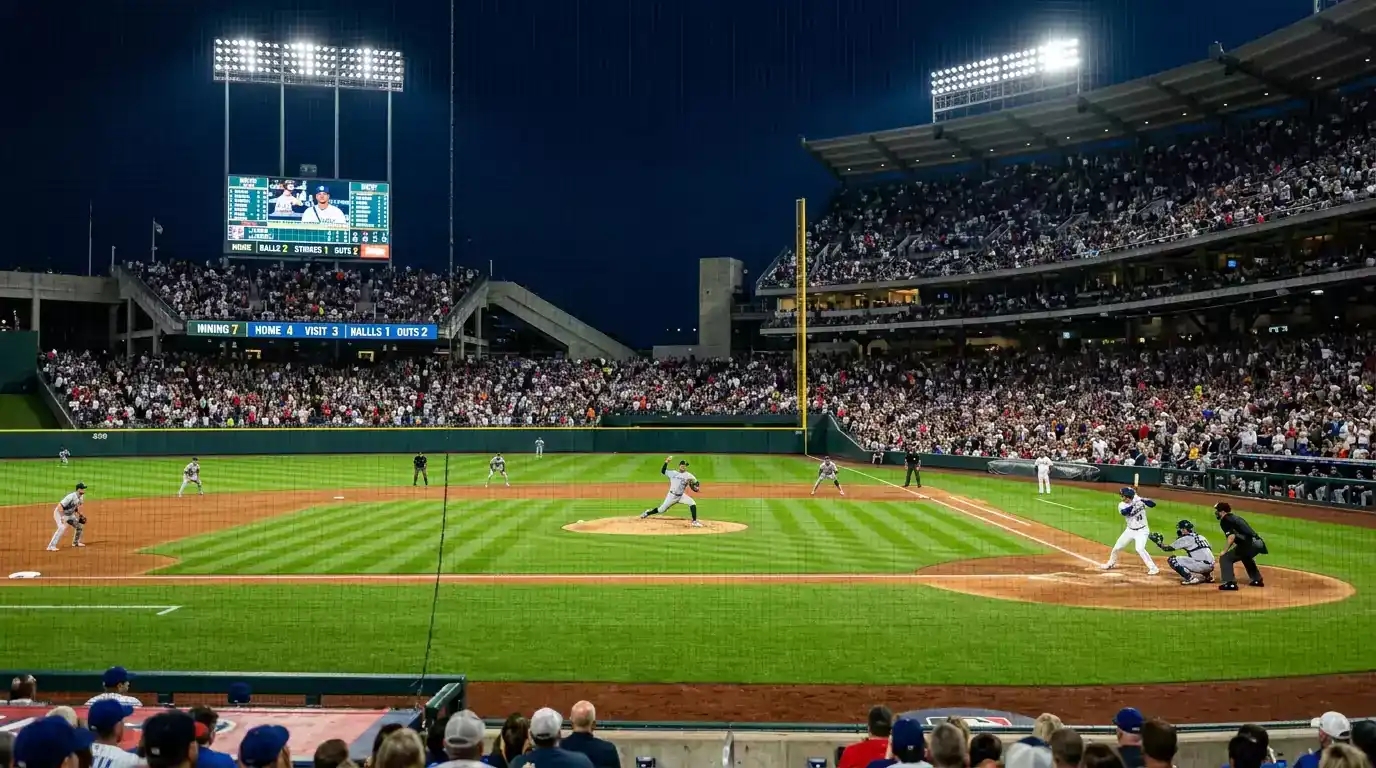
Why the first inning got its own market
I lost count years ago of how many times my full-game over busted because nothing happened in the first three innings. Two starters settled in, eight quick outs went by, and the over was already in trouble. Eventually I started looking at the first inning specifically, and the market caught up with me – first-inning betting has gone from a niche specials line to one of the most actively traded MLB props on UK books.
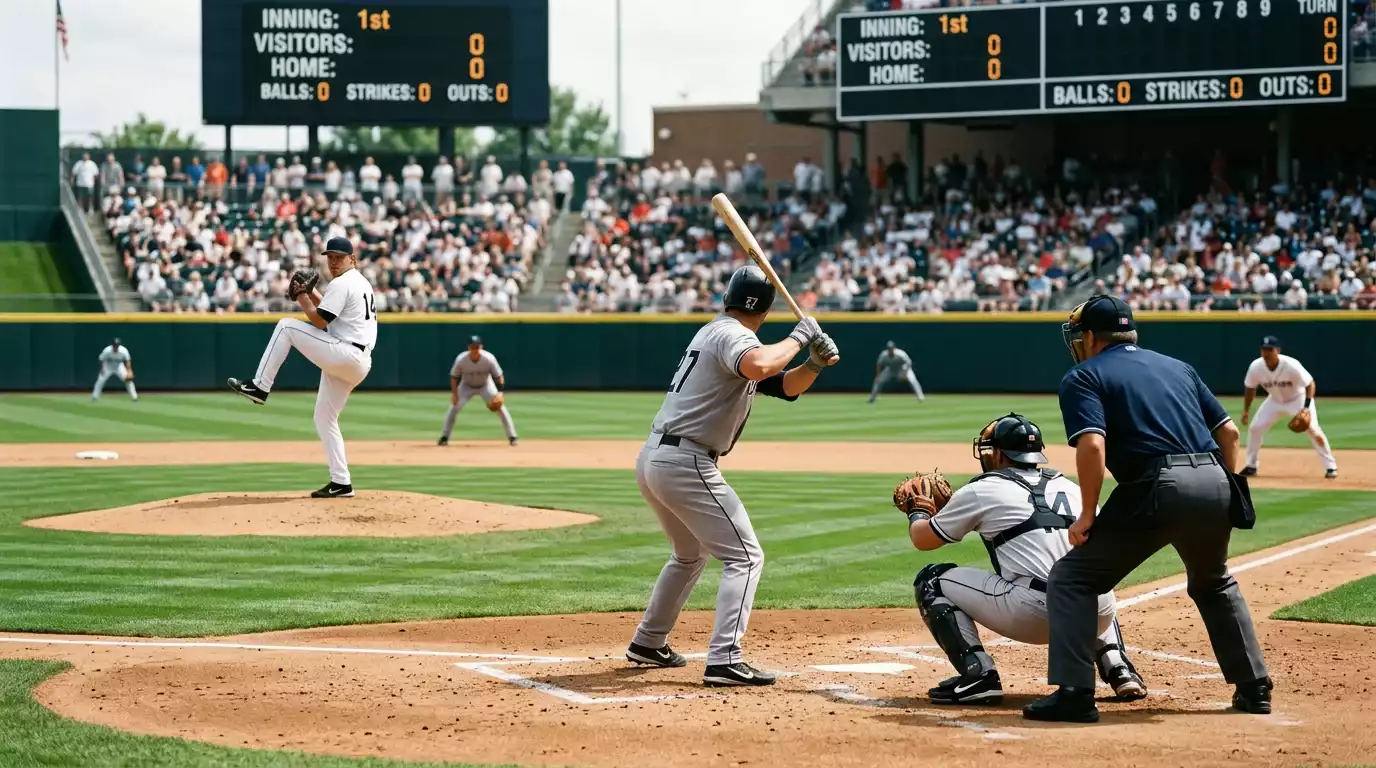
NRFI and YRFI – no run first inning and yes run first inning – strip out everything except the very first frame. The starting pitchers are fresh, the top of each lineup gets exactly one look, and the result is a tightly bounded probability question that the public reads badly and the data reads cleanly. That gap is where the bets live.
Why the first frame plays by different rules
The first inning isn’t just the first three outs of a normal game. It’s a structurally different inning to every other one, and the differences all push in the same direction.
Both starting pitchers throw the first inning regardless of how the game develops. There’s no manager decision, no early hook, no warm-up issue affecting who’s on the mound. You know exactly who’s pitching the first inning to whom, and you know it from the moment lineups post.
The top of each batting order gets a guaranteed at-bat. Most lineups load their best three to four hitters at the top, which means the first inning concentrates the highest-quality offensive at-bats of the entire game. If both teams are loaded at the top of the card and the pitchers are anything other than elite, the first inning is structurally elevated for runs.
Pitchers haven’t yet found their rhythm. First-inning ERAs tend to run 10% to 15% higher than overall ERAs across the league. The first inning is the most volatile single inning a pitcher faces because his command and his read on the strike zone aren’t fully calibrated yet.
The combination – best hitters facing freshly-warming pitchers – produces a first inning that scores at a higher rate than any subsequent inning except late-game blowouts. The historical first-inning run rate sits around 53% to 56%, depending on the run environment of the season. That means YRFI hits roughly 54% of the time, NRFI hits 46%. Nothing in those numbers is a coin flip – both are mispriced regularly enough to bet seriously.
What the rates actually look like and how books price them
Books price NRFI and YRFI off the season’s running first-inning rates plus matchup-specific adjustments. A typical NRFI line sits in the -110 to -130 range when the matchup leans pitcher-friendly. A typical YRFI sits at +100 to +120. The juice is modest by MLB-prop standards and the markets are liquid enough at most UK operators that the half-cent line shopping question matters less than it does on harder-to-find specials.
The lines move on three inputs primarily. Lineup confirmations are the biggest – a top-of-order regular getting the day off and being replaced by a contact-hitting backup will move the NRFI line a few points in NRFI’s favour. Weather updates are the second – an out-blowing wind at a hitter park is a YRFI signal worth several points of line movement. Late starter scratches are the third, and they’re the largest single-event move available, since a replacement starter materially changes the first-inning probability for that team.
The strategic implication is straightforward. The line you see at lunch is rarely the line you should be betting against. Watch the lineups post, watch the wind firm up, and time your entry into the market when the inputs you’ve assessed have finalised but the line hasn’t fully adjusted.
The top of the order is the pricing input that gets misread
Casual NRFI bettors look at lineup batting averages. Sharp NRFI bettors look at on-base percentage of the first three hitters and what happens after they reach.
The first inning needs a runner before it can score one. The top three hitters’ OBP against the opposing pitcher’s handedness is the single best input on whether the inning produces a run. A combined OBP of .380 across the top three means roughly 64% odds that at least one of them reaches base. From there, the question is whether the cleanup hitter or the fifth hitter can drive him in – and the slugging input matters here, but it’s secondary to the OBP question because no slugging matters if no one is on.
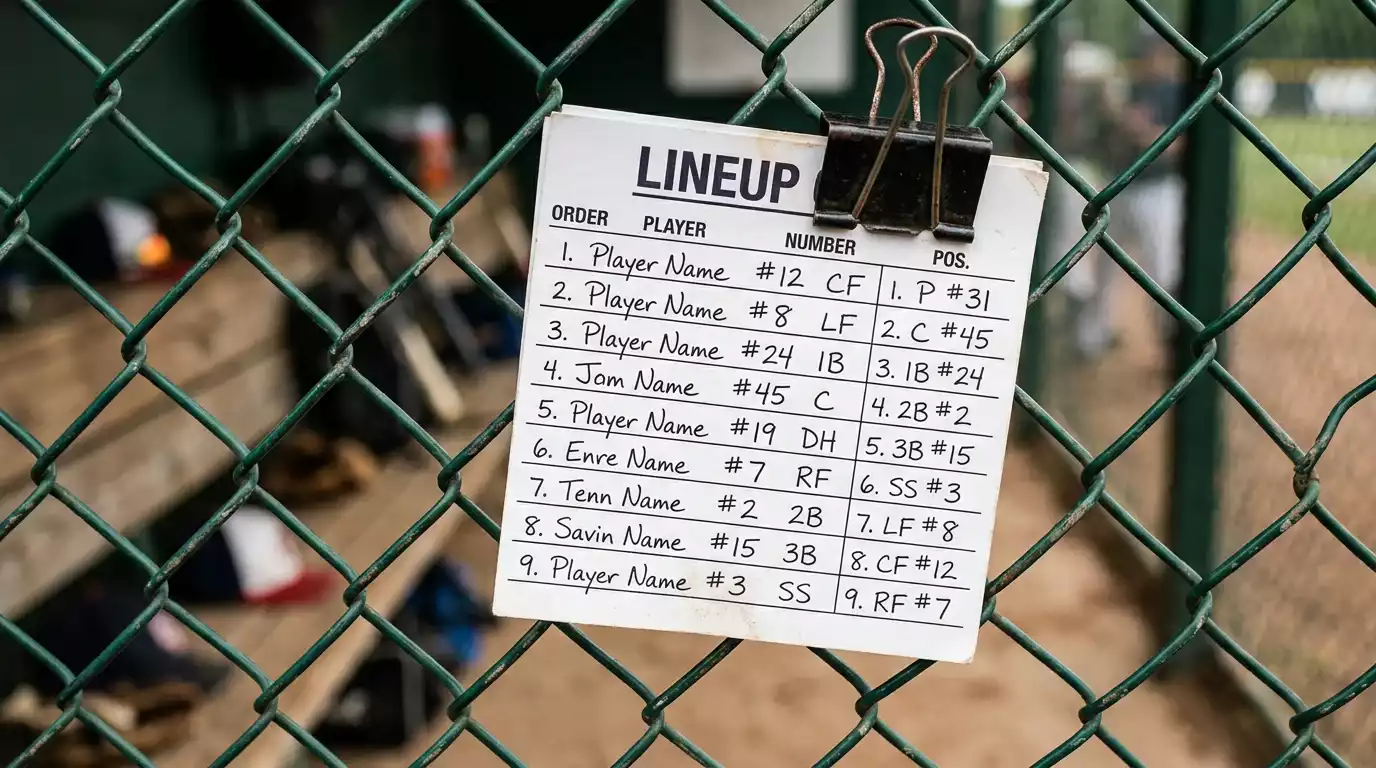
What I look at on the lineup card is a quick read of the OBP of hitters one through three against the starter’s handedness, taken from the most recent two seasons of split data rather than just the current year. Then I cross-reference with the pitcher’s first-inning history specifically. Some pitchers struggle disproportionately in the first – they need an inning to settle, and their first-inning numbers are materially worse than their overall line. Others are first-inning dominant. The split is publicly tracked and rarely fully priced into the line.
The other input is leadoff hitter specifically. A leadoff with elite plate discipline who works deep counts forces the pitcher to throw more pitches in the first, which raises the chance of subsequent hitters seeing tired or off-rhythm offerings. A leadoff who swings at the first pitch produces quick outs and lets the pitcher establish rhythm fast, lowering first-inning run probability for the inning’s remainder.
Weather and the first inning
Weather effects on first-inning betting are the same physics as on totals, but applied to a much narrower window. A 5 mph tailwind adds nearly 19 feet of carry to a fly ball – work coming from physicist Alan Nathan that’s become the standard reference number on wind impact in MLB. Across a full game, that adds up to several extra fly outs becoming home runs. In a single first inning, it’s still a real but smaller probability shift.
The shift matters most when the top of the order is built around fly-ball power hitters and the wind is blowing out. A leadoff with high contact and a number-two with extra-base pop, both pulling the ball in the air against an out-blowing wind, materially raises the YRFI probability beyond what the line typically reflects. Conversely, an in-blowing wind at a hitter park doesn’t fully neutralise the lineup, but it shifts a few percentage points of YRFI probability back toward NRFI.
Temperature has a smaller first-inning effect than full-game effect because a single inning samples only six to nine plate appearances, but the same direction applies. Warmer air carries the ball further. Cold games favour NRFI at the margin.
The practical workflow: check the wind direction and speed at first pitch, weight it more heavily for hitter parks, and treat outdoor cold games as NRFI tilts unless something else strongly contradicts.
Where the F5 totals connection comes in
NRFI/YRFI is mechanically related to F5 totals. A high YRFI signal – strong top of order, weak first-inning starter, friendly weather – is also a strong F5 over signal because the same inputs that produce a first-inning run tend to keep producing for several innings. If your read says YRFI is the bet, the F5 over is often a parallel position worth considering.
Where the markets diverge is on lineups that score early but slow down. Some teams genuinely front-load – the leadoff and number-two get on, the cleanup drives in, and then the seven through nine produce nothing the rest of the way. For those lineups, YRFI is a bet but the F5 over isn’t necessarily. For broader totals strategy that integrates first-inning, mid-game and weather effects across the over/under market, my breakdown of how to handicap MLB totals walks through the full picture.
What’s the historical NRFI hit rate in MLB?
Across recent seasons, the NRFI rate sits around 46%, which means roughly 54% of MLB games have at least one run scored in the first inning. That ratio drifts year to year with the league’s overall run environment but stays close to 46/54. The implication is that neither NRFI nor YRFI is a default bet – the matchup-specific inputs around lineup quality, pitcher first-inning history and weather are what determine which side actually has value on a given game.
Does YRFI value disappear after the lineups are posted?
Often, yes. The biggest YRFI line moves come when confirmed lineups arrive and reveal whether the top three hitters are full-strength or include backups. If you’re betting before lineups post, you’re guessing on a major input. If you wait for lineup confirmation, the line will already have adjusted for any meaningful changes. The window for getting full YRFI value is tight – typically the hour around lineup posting, when the line has shifted but hasn’t fully settled.
Published by the how do you bet Baseball team.